 CZASY WANLONG
Czym jest tarcza diamentowa
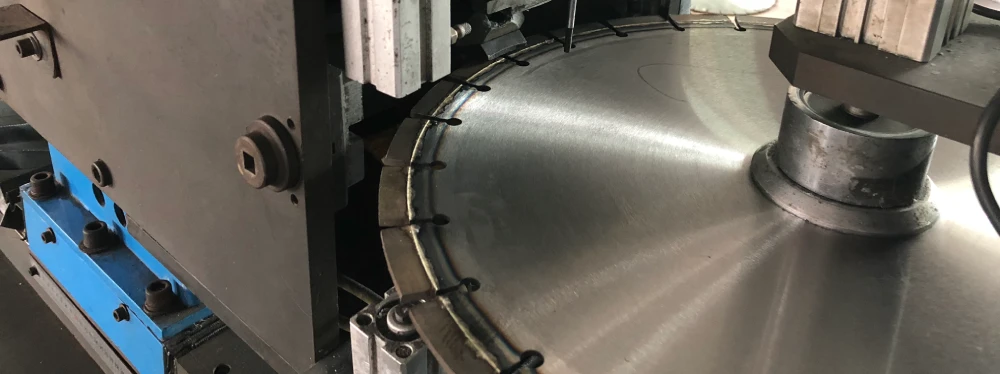
Tarcza diamentowa to powszechnie stosowane narzędzie do cięcia i obróbki twardych i kruchych materiałów, takich jak kamień, beton i ceramika. Jej budowa składa się głównie z dwóch części: rdzenia i segmentu. Rdzeń to główna podtrzymująca część związanych segmentów.
Jakie są klasyfikacje tarcz diamentowych
Według różnych technik obróbki tarcz diamentowych, zazwyczaj dzielą się na spiekane tarcze diamentowe (dzielone na tarcze spiekane na zimno i na gorąco, wykonane przez prasowanie i spiekanie). , Spawane tarcze diamentowe (dzielone na lutowanie i spawanie laserowe), Galwanizowane tarcze diamentowe (proszek segmentu przymocowany do podłoża metodą galwanizacji).
Obecnie, produkcja galwanicznych tarcz diamentowych jest stopniowo ograniczana, głównie z powodu poważnych zanieczyszczeń spowodowanych procesem produkcji.
Jak wybrać odpowiedni tarczę diamentową
Wybierając tarcze diamentowe, musimy zwrócić się do wiarygodnego producenta tarcz diamentowych, aby jakość była bardziej gwarantowana.
Należy zwracać uwagę na wybór tarczy piły, tarcza piły tej samej marki klasyfikuje się jako klasa, od kształtu zęba, materiału łamanego, następnie zaleca się stosowanie lewego i prawego płaskiego kształtu zęba, lub zębów drabinkowych, jeśli to deski do krojenia do otwarcia materiału, zaleca się używanie lewego i prawego zęba, aby szybciej otworzyć materiał, jeśli pasuje do, dostępne płaskie zęby wycięte z dna rowka są płaskie. Od liczby zębów, im gęstsza liczba zębów, tym gładsza jest powierzchnia cięcia, ale im mniejsza prędkość cięcia, im mniejsza liczba zębów, tym bardziej szorstka powierzchnia cięcia, ale im większa prędkość cięcia.
Płyta stalowa brzeszczotu diamentowego w celu osiągnięcia określonej twardości, aby zapobiec pracy z dużą prędkością podczas kształtowania, powierzchnia zęba powinna być płaska, aby upewnić się, że droga piły i szerokość zęba blisko materiału zęba ze stopu są twarde, i solidnie spawane, aby uniknąć stosowania zębów stopowych, powodując zagrożenie bezpieczeństwa.
Przy stosowaniu różnych materiałów należy opierać się na różnych rodzajach brzeszczotów diamentowych, inna formuła proszku diamentowego dla różnych właściwości materiału.
Jak utrzymywać tarcze diamentowe do piły?
1. Gdy powierzchnia tnąca tarczy diamentowej jest szorstka i nie ostra, należy ją na czas naostrzyć. Należy zwrócić uwagę, że naprawa szlifowania nie może zmieniać kąta, ani niszczyć dynamicznej równowagi.
2. Korekta średnicy wewnętrznej tarczy diamentowej, obróbka otworu pozycjonującego, itd., musi być wykonywana w fabryce. Jeśli obróbka jest niedokładna, wpłynie to na efektywność użytkowania produktu, i może być niebezpieczne, Wiercenie powinno zasadniczo nie przekraczać pierwotnej średnicy otworu o 20 mm, aby nie zaburzyć równowagi naprężeń.
3. Jeśli tarcza diamentowa nie jest używana od razu, należy ją położyć na płasko lub zawiesić za pomocą otworu wewnętrznego, tarcza diamentowa położona na płasko nie może być układana w stos z innymi przedmiotami ani deptać po niej, i należy zwrócić uwagę na ochronę przed wilgocią, antykorozyjną ochronę przed rdzą.

Typowe problemy w użytkowaniu brzeszczotów, ich przyczyny i rozwiązania
1. Zużycie korpusu podstawowego i połączonej części segmentu.
Przyczyna: Cięty materiał jest bardzo odporny na zużycie, a pozostałości po cięciu zostają uwięzione w szwie cięcia i nie mogą zostać usunięte.
Rozwiązanie: Zastosowanie zębów ochronnych w specjalnych miejscach podłoża oraz zastosowanie strumienia wody chłodzącej o wyższym ciśnieniu może zwiększyć efekt usuwania wiórów.
2. Nierównomierne zużycie po obu stronach segmentu
Powód: brzeszczot jest pochylony do cięcia; ilość wody nie jest taka sama po obu stronach, i ilość wody po jednej ze stron jest niewystarczająca.
Rozwiązanie: sprawdź nachylenie brzeszczotu; sprawdź układ wody chłodzącej.
3. Brzeszczot nieokrągły
Powód: Zużycie wału prowadzi do dużego luzu pomiędzy centralnym otworem brzeszczotu a wałem głównym lub do nieprawidłowego montażu.
Rozwiązanie: Wymień zużyty wał lub napraw środkowy otwór.
4. Ugięcie brzeszczotu
Powód: resztki ciętego materiału zmieszane w szwie tnącym spowodowane nierównomierną siłą korpusu; średnica kołnierza jest za mała lub średnica kołnierza po obu stronach nie jest taka sama; brzeszczot i kołnierz piły zmieszane z ciałami obcymi; nieprawidłowo zainstalowany.
Rozwiązanie: Oczyść zanieczyszczenia i wzmocnij efekt usuwania wiórów; wyregulować lub wymienić kołnierz; zainstaluj poprawnie, zgodnie z instrukcją.
5. Złamanie segmentu
Przyczyna: Wiązanie segmentowe jest zbyt twarde; prędkość posuwu brzeszczotu jest zbyt duża.
Rozwiązanie: W zależności od ciętego materiału należy wybrać brzeszczot o bardziej miękkim spoiwie; zmniejszyć prędkość posuwu brzeszczotu.
6. Segmenty zużywają się zbyt szybko
Przyczyna: Wiązanie segmentowe jest zbyt miękkie (do ciętego materiału); niewystarczająca ilość wody chłodzącej; niewystarczająca moc z powodu luźnego paska napędowego, niskiego napięcia lub niewłaściwej prędkości; brzeszczot nie jest ustawiony prostopadle do ciętego materiału.
Rozwiązanie: Wybierz brzeszczot o twardszym spoiwie, w zależności od ciętego materiału; sprawdź układ wody chłodzącej, aby upewnić się, że pompa działa prawidłowo; upewnij się, że napięcie zasilania jest prawidłowe; sprawdź kołnierz wrzeciona, aby upewnić się, że brzeszczot jest ustawiony prostopadle do urządzenia; sprawdź prędkość brzeszczotu.
7. Utrata segmentu
Powoduje: Segment wykręcony w wyniku przesuwania się ciętego materiału w procesie cięcia; Segment poddany silnym uderzeniom; Zużyty kołnierz nie utrzymuje brzeszczotu, powodując skręcenie brzeszczotu; Tarcza piły z wyprzedzeniem z powodu zużycia wrzeciona powoduje duży wpływ na tarczę piły; Przegrzewanie się; Tarcza piły poddana gwałtownemu uderzeniu.
Rozwiązanie: Mocno przymocuj materiał do cięcia podczas cięcia; wymień kołnierze po obu stronach; wymień zużyte wrzeciono; sprawdź wodę chłodzącą; unikaj uderzenia w tarczę piły podczas przenoszenia sprzętu lub materiału do cięcia.
8. Tępy, nie można ciąć
Powód: wiązanie tarczy piły jest zbyt twarde; moc nie wystarcza, by tarcza piły prawidłowo cięła, tarcza piły nie jest odpowiednio cięta; prędkość cięcia tarczy jest zbyt wysoka.
Rozwiązanie: wybierz tarczę piły o miększym połączeniu; sprawdź pasek napędowy, napięcie i silnik; upewnij się, że stosowano odpowiednie i nie nadmierne ciśnienie penetracyjne; wybierz odpowiednie dopasowanie zgodnie z instrukcją urządzenia.